
Introduction
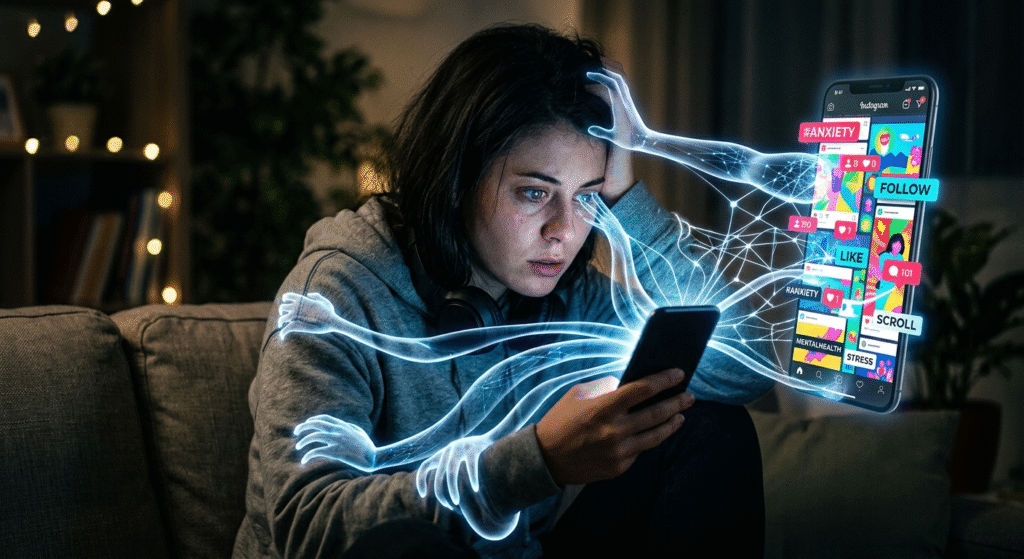
In today’s digital world, social media has become part of everyday life. From the moment we wake up to the moment we sleep, many of us check our phones, scroll through feeds, and compare our lives with what we see online. Platforms promise connection, entertainment, and information. But behind the endless scrolling, a serious question arises:
Is social media helping our mental health, or quietly damaging it?
Many people don’t notice the effect at first. A few minutes of scrolling turns into hours, and slowly our mood, sleep, and self-confidence begin to change.
Why Does Social Media Affect Our Mental Health?
One of the biggest reasons is comparison.
When people post online, they usually share the best moments of their lives: vacations, achievements, perfect photos, and exciting experiences. What we rarely see are the struggles behind those moments.
Because of this, many users begin to compare their normal lives with someone else’s “highlight reel”.
Research shows that spending more than three hours per day on social media can significantly increase the risk of anxiety and depression among teenagers.
When someone constantly sees others appearing happier, richer, or more successful, it can lead to feelings of:
- Low self-esteem
- Loneliness
- Anxiety
- Fear of missing out (FOMO)
Over time, this emotional pressure can affect how people see themselves.
How Does Excessive Screen Time Change Our Behavior?
The impact of social media is not only emotional. It can also change daily habits.
For example:
1. It Changes How We Use Our Time
Many people open social media just to check something quickly. But after watching one video, another appears, then another, and suddenly an hour has passed.
This constant scrolling can reduce time spent on activities that actually improve mental health, such as:
- exercising
- talking with family
- spending time outdoors
- focusing on hobbies
When digital life replaces real-life experiences, people may start feeling empty or unproductive.
2. It Can Affect Sleep
Another common habit is using phones late at night.
Many teenagers and young adults scroll through social media while lying in bed. The problem is that the brain stays active when constantly receiving new information, messages, and notifications.
As a result, sleep becomes shorter or less restful, which can lead to:
- tiredness
- irritability
- difficulty concentrating
- increased anxiety
A small habit like late-night scrolling can slowly create larger mental health problems.
3.The Fear of Missing Out (FOMO)
Have you ever felt worried that everyone else is enjoying life more than you?
This feeling is often called Fear of Missing Out, or FOMO.
When people see friends attending events, traveling, or having fun without them, it can create a sense of exclusion. Even if someone’s own life is going well, constant exposure to other people’s activities can make it feel less exciting.
This emotional pressure is one of the hidden ways social media affects mental health.
What If We Continue Without Limits?
- If social media use continues to increase without balance, the long-term effects could become more serious.
- Younger generations are growing up in a world where digital approval — likes, comments, and followers — sometimes feels more important than real-life experiences.
- If self-worth begins to depend on online reactions, people may become more vulnerable to anxiety, stress, and emotional instability.
- However, this does not mean technology itself is the problem.
- The real issue is how we use it.
Can Social Media Be Used in a Healthy Way?
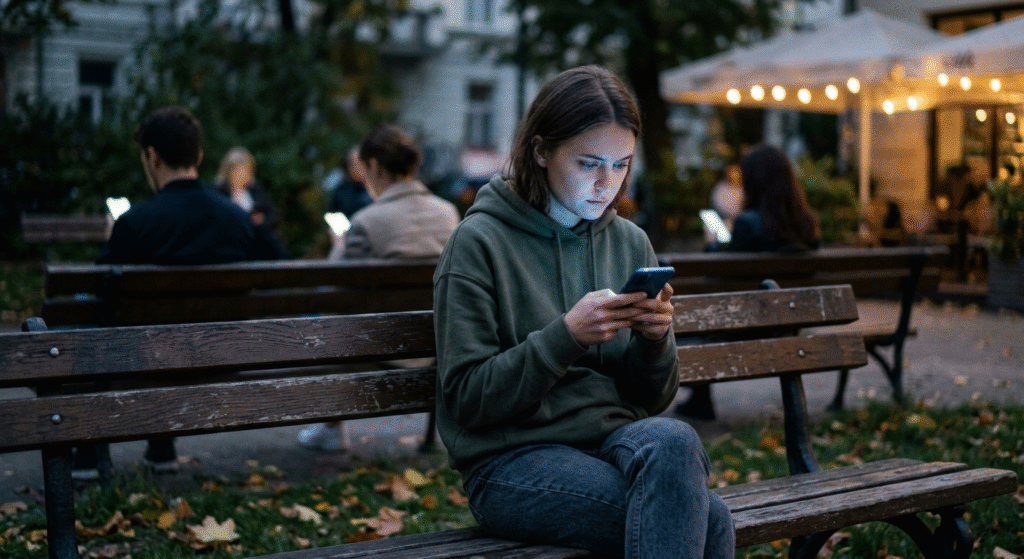
Yes, it can.
Social media can also support mental health when used wisely. Many people use it to:
- learn about emotional well-being
- connect with supportive communities
- share their experiences
- raise awareness about mental health issues
For someone who feels alone, finding people who understand their struggles online can be comforting.
The key difference is mindful use instead of endless scrolling.
Simple Ways to Protect Mental Health Online
Maintaining balance with social media does not require extreme changes. Small habits can make a big difference.
Some helpful practices include:
- limiting daily screen time
- avoiding social media before sleep
- taking regular breaks from digital platforms
- following positive and educational content
- focusing more on real-life relationships
These steps allow people to enjoy technology without letting it control their emotions.
Conclusion
Social media is one of the most powerful inventions of the modern world. It allows people to communicate instantly, learn new ideas, and stay connected across long distances.
However, when used without limits, it can quietly influence how we think, feel, and see ourselves.
The challenge for this generation is not to completely avoid social media, but to use it with awareness and balance.
Because in the end, mental health should never depend on a screen.


Helpful content!!!